
Diagnosed with CIN 1? Wondering why doctor isn’t treating CIN 1?
Leaving a medical appointment with a diagnosis of ‘abnormal cells’ (CIN 1) but no immediate treatment plan can feel incredibly unsettling. In a world where we are conditioned to treat illness the moment it appears, being told to simply “watch and wait” often feels like you are being asked to ignore a ticking clock. At MyDoctors.uk, we understand that walking away without a procedure feels counterintuitive—even risky. However, this approach, clinically known as Active Surveillance, is not about inaction. It is a calculated, evidence-based strategy that trusts in your body’s remarkable ability to heal itself, ensuring we don’t intervene before it is absolutely necessary.
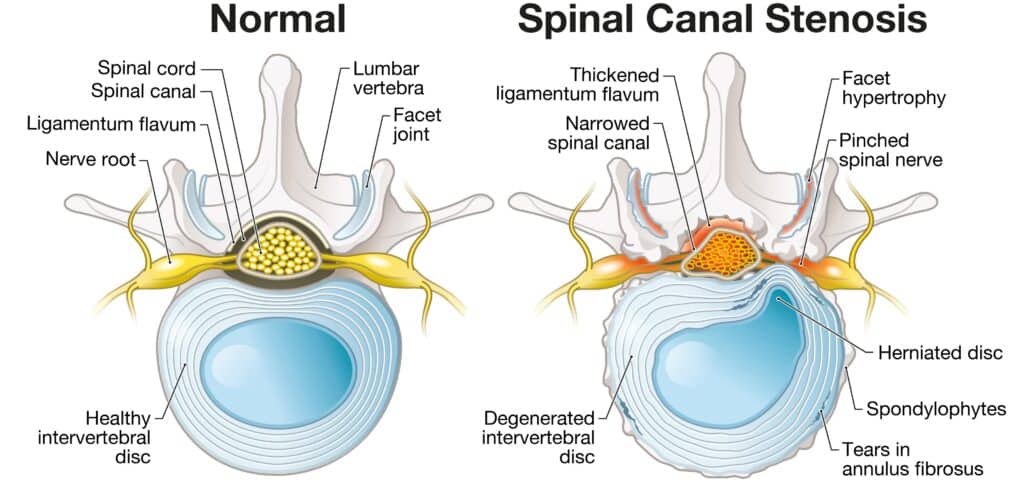
Q: Will cervical stenosis go away on its own?
A: Generally, no. If scar tissue has formed across the cervical opening (the os), it is unlikely to dissolve without intervention. If you are experiencing symptoms like severe cramping with little to no bleeding during your period (hematometra), you should see a gynaecologist. Ignoring it can lead to increased pain and potential infection if menstrual blood remains trapped in the uterus.
Q: Is the treatment for stenosis painful?
A: The treatment, known as cervical dilatation, is usually quick. A gynaecologist uses a thin instrument to gently reopen the cervical canal. While it can cause some momentary cramping similar to a period pain or a smear test, it provides almost instant relief from the pressure of trapped menstrual blood. Depending on the severity, this can sometimes be done in the outpatient clinic with local anaesthetic.
Q: Does stenosis mean my abnormal cells have come back?
A: No, cervical stenosis is a mechanical issue, not a pathological one. It is caused by the healing process and scar tissue formation, not by the HPV virus or cancer cells returning. However, if you are experiencing pain, it is always vital to get checked to rule out other causes and ensure your cervical health is managed correctly.”
Why doctor isn’t treating CIN 1?
For most women, recovering from a LLETZ procedure or cone biopsy is straightforward, marking the welcome end of a stressful chapter dealing with abnormal smear results. But for a small percentage of patients, a confusing new set of symptoms can emerge months later: sharper period pains, significantly lighter bleeding, or a feeling of intense monthly pressure. If this sounds familiar, you may be experiencing Cervical Stenosis—a narrowing of the cervical canal caused by scar tissue. While the term sounds technical and perhaps alarming, it is a well-understood mechanical side effect, not a sign that your abnormal cells have returned, and importantly, it is a condition our specialists can resolve effectively.
Private Gynaecologists in London
Top 5 Female Gynaecologists in London
Recurrent Miscarriage: Causes
Pregnancy After Miscarriage: Emotional Readiness, Anxiety & What Helps, Top 5 Tips
Top 10 Dental Clinics in London
Healthcare Digital Marketing in London
Digital Marketing for Dentists
Digital Marketing for Orthodontics